Prescription Appetite Suppressant Guide: How GLP-1s Work

Understand how prescription appetite suppressants work, their efficacy, side effects, and the clinical process for getting GLP-1 and non-GLP-1 medications
A prescription appetite suppressant can produce clinically meaningful weight loss, with adults using prescription medication in a lifestyle program losing about 3% to 12% more of their starting body weight after one year than those using lifestyle changes alone, according to NIDDK evidence summarized by Cleveland Clinic. In obesity treatment, the strongest modern options include once-weekly semaglutide and tirzepatide, but both require medical supervision for dose escalation, gastrointestinal effects, contraindications, and long-term adherence.
Could the most important question be less about finding the strongest appetite suppressant and more about choosing a treatment that safely manages metabolic health over time? Weight loss may begin as a cosmetic goal, but persistent appetite dysregulation often intersects with insulin resistance, cardiometabolic risk, sleep, mobility, and quality of life. The right medication should therefore be judged by more than the number on a scale. Tolerability, maintenance dosing, hair retention, access, and continuity of care matter just as much.
Table of Contents
- The Evolution of Prescription Appetite Suppressants
- How GLP-1 and Non-GLP-1 Options Work
- Comparing Injectable and Oral Treatment Formats
- Understanding the Titration and Safety Process
- Evaluating Efficacy and Managing Side Effects
- Navigating Compounded Versus FDA-Approved Therapies
The Evolution of Prescription Appetite Suppressants
A patient who feels frustrated by repeated dieting failures may reasonably want a fast, decisive solution. Yet the history of the prescription appetite suppressant shows why clinicians approach that request carefully. The category began with stimulant-like drugs, moved through periods of serious safety concern, and now includes treatments that regulate hunger and satiety through incretin pathways.
The FDA approved the first prescription obesity medication in the United States in 1947, an appetite suppressant called desoxyephedrine, which is methamphetamine. By 1973, regulators had limited all weight-loss drugs to short-term use because of concerns about widespread amphetamine use. Later, fenfluramine and dexfenfluramine were withdrawn in 1997 after heart-valve concerns, and sibutramine was removed in 2010 because of cardiovascular risk concerns, as described in the NCBI review of prescription obesity medications.
From stimulation to metabolic regulation
Older anorexiants generally worked by stimulating the central nervous system or reducing hunger through stimulant-like effects. They could help some patients eat less, but clinicians had to consider insomnia, anxiety, increased heart rate, blood-pressure changes, misuse risk, and the limitations of short-term treatment.
Modern incretin therapies represent a different clinical idea. Rather than pushing energy expenditure or suppressing hunger through stimulation, GLP-1-based medications influence appetite, gastric emptying, satiety, and meal-related signaling. The current regulatory picture includes ten FDA-approved obesity medications, with eight approved for long-term treatment, according to the NCBI source above.
Clinical perspective: A medication's history matters because every safety restriction reflects a prior lesson about risk, monitoring, or inappropriate duration of use.
That history also explains why “strongest” isn't a sufficient prescribing criterion. A treatment can generate substantial appetite reduction yet fail in practice if nausea prevents dose escalation, if a patient can't access the prescribed product, or if follow-up disappears after the initial prescription. The modern objective is a sustainable metabolic plan, not merely temporary appetite suppression.
How GLP-1 and Non-GLP-1 Options Work
Could prescription appetite suppression serve a broader purpose than reducing food intake? In current obesity care, the answer increasingly involves metabolic health. Medication selection considers appetite, glucose regulation, gastrointestinal effects, safety, access, and whether treatment can support sustainable nutrition and activity habits.
Why incretin therapies change the appetite signal
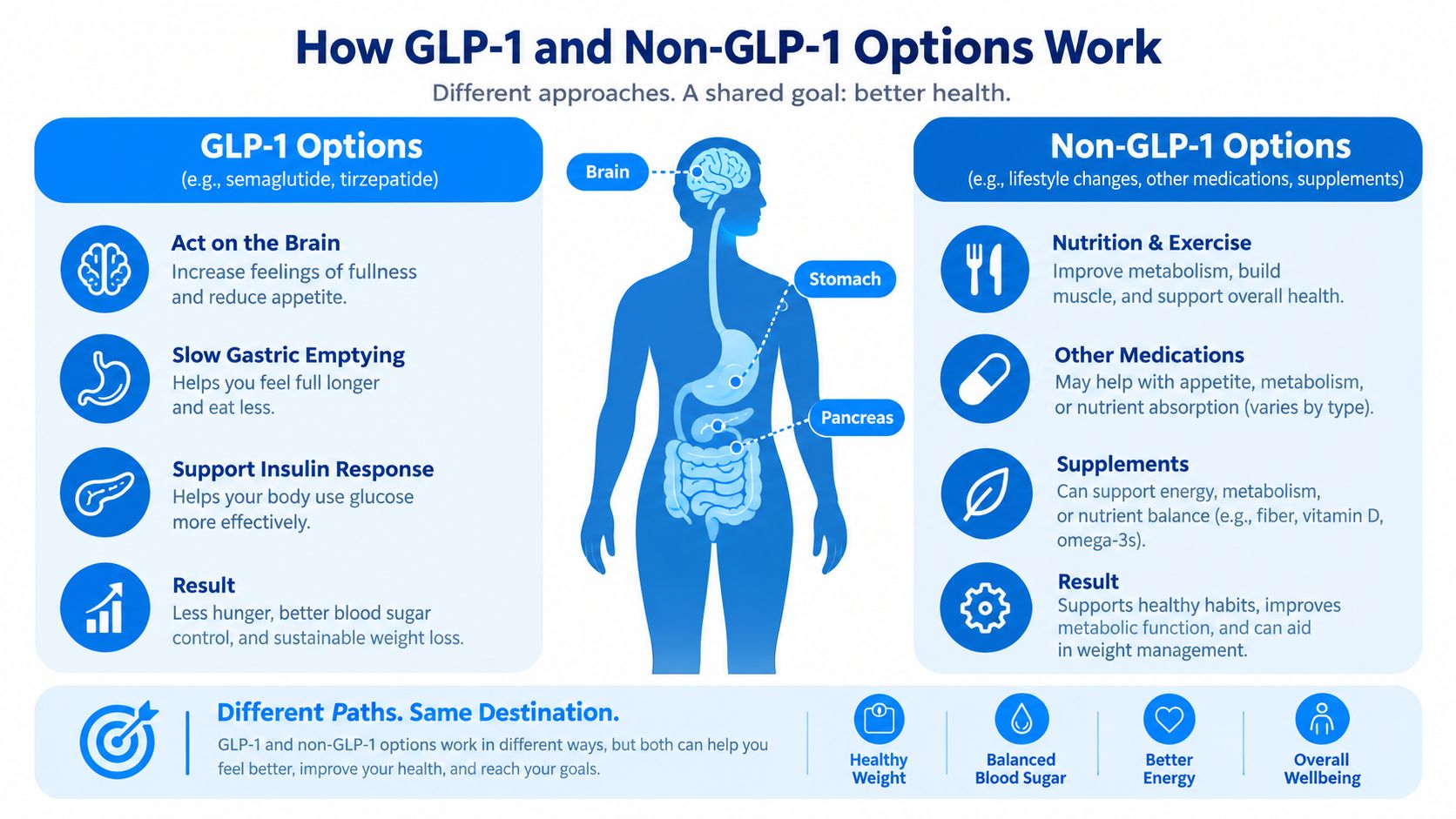
Semaglutide activates the GLP-1 receptor. Tirzepatide activates both GIP and GLP-1 pathways. These incretin signals affect hunger, satiety, gastric emptying, meal-related fullness, and glucose regulation. Patients may therefore report less food preoccupation and earlier fullness, rather than the jittery stimulation associated with older appetite suppressants. In a controlled metabolic study, tirzepatide and semaglutide significantly reduced appetite compared with placebo, supporting a mechanism tied to appetite and intake.
The distinction from non-GLP-1 treatment remains clinically relevant:
- Traditional anorexiants can reduce hunger through central nervous system stimulation. Their potential benefits, adverse effects, and prescribing considerations differ from those of incretin therapies.
- Combination medications act through more than one non-GLP-1 pathway, potentially affecting appetite or reward-related eating through a different mechanism.
- GLP-1 and dual-incretin therapies influence physiological signals involved in hunger, fullness, digestion, and glucose control.
These categories should not be treated as interchangeable. The appropriate choice depends on medical history, treatment goals, contraindications, tolerability, monitoring needs, and access to an authorized product. A clinician should also distinguish FDA-approved medication from compounded medication. Compounded products may be considered in specific circumstances, but they do not carry the same FDA approval and product oversight as an approved therapy, so sourcing and clinical supervision matter.
The practical goal has shifted from cosmetic weight loss alone to improved metabolic health and a sustainable treatment plan. A prescription appetite suppressant can reduce the biological pressure that makes dietary changes difficult to maintain. It does not replace adequate nutrition, movement, sleep, behavioral support, or strategies to protect muscle during weight loss. Those elements remain part of treatment, especially when appetite becomes easier to manage.
Comparing Injectable and Oral Treatment Formats
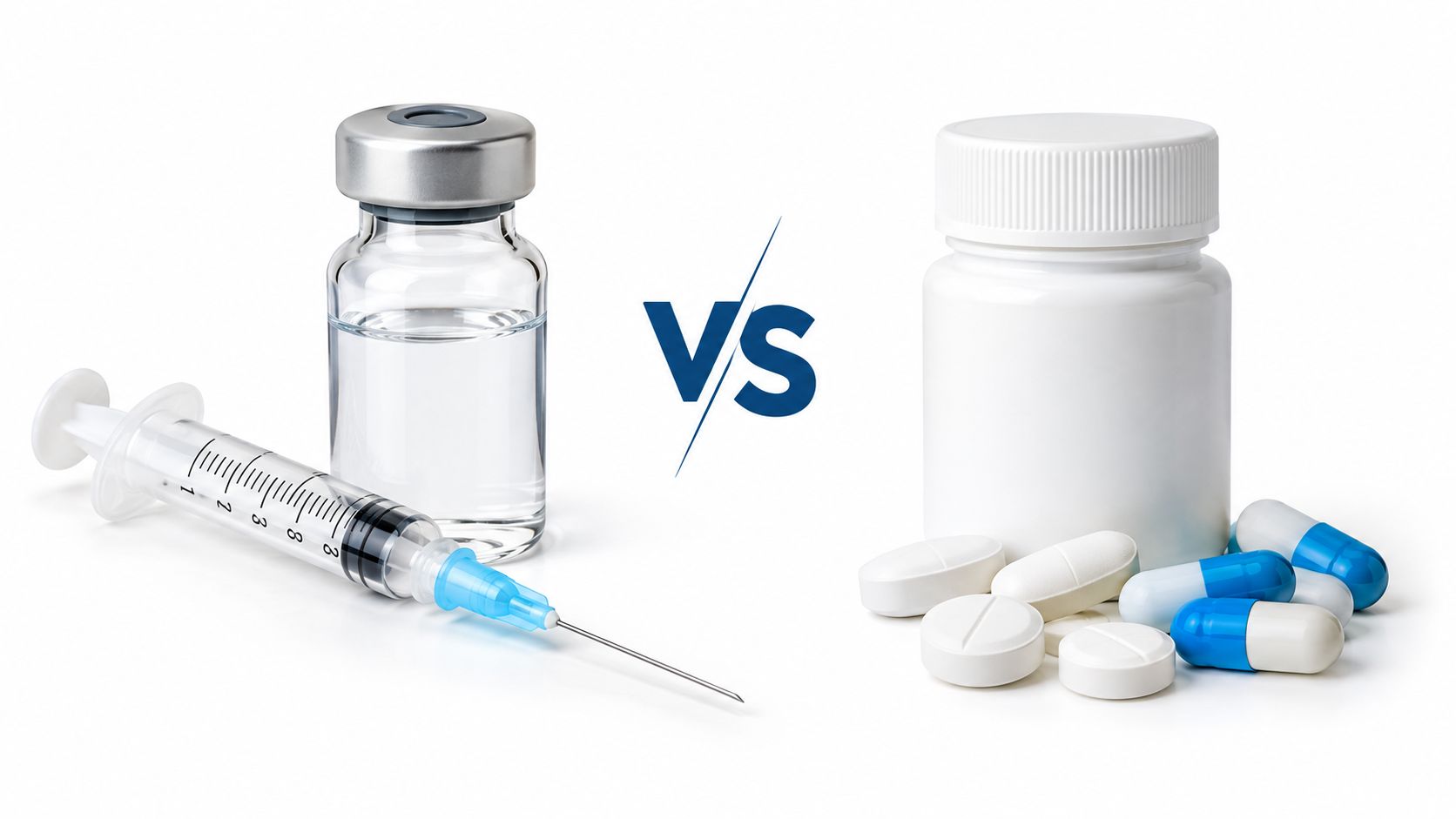
The choice between an injection and an oral treatment is not just a matter of convenience. It involves absorption, dosing routine, adherence, clinical availability, and the patient's willingness to continue treatment. A needle-averse patient may be more consistent with a tablet, while another patient may prefer a once-weekly injection because it reduces daily decision-making.
Injectable options
Once-weekly subcutaneous treatment has become a central format for semaglutide and tirzepatide obesity protocols. The schedule can simplify adherence, and injectable delivery avoids some of the absorption constraints associated with oral medicines. It still requires correct storage, administration technique, and a plan for missed doses or interruptions.
Injections aren't automatically superior. Some patients dislike needles, struggle with self-injection, or feel anxious about handling medication. Others may have a schedule that makes a weekly routine difficult. These practical barriers can reduce adherence even when the medication works biologically.
Oral and needle-free formats
Oral treatments may appeal to people who want to avoid syringes or who prefer medication integrated into a morning or evening routine. However, oral absorption can be affected by formulation, timing, food, fluid, and gastrointestinal factors. A clinician must evaluate the specific product instructions rather than assume that a pill offers the same exposure or dosing flexibility as an injection.
Emerging oral GLP-1 formulations are expanding the treatment conversation, particularly for patients who are needle-averse or who want a different long-term format. The evidence and regulatory status vary by product, so patients should distinguish an FDA-approved oral medication from a compounded or investigational formulation.
A practical decision framework
| Clinical question | Why it matters |
|---|---|
| Can the patient reliably use an injection? | Technique, storage, and comfort affect continuity. |
| Would a daily oral routine be easier? | A convenient format only helps if the patient consistently follows it. |
| Is the formulation FDA-approved for the intended use? | Approval status informs quality, labeling, and evidence expectations. |
| Does the patient need a gradual, highly individualized titration plan? | Dose changes should follow tolerability and clinical response, not convenience alone. |
A formulation should never be selected solely because it sounds stronger, cheaper, or easier to obtain. The prescribing clinician should verify the active ingredient, concentration, instructions, pharmacy source, and follow-up plan. Patients should also ask what happens if the chosen formulation becomes unavailable, because continuity is part of safe weight management.
Understanding the Titration and Safety Process
Starting at a full maintenance dose is generally poor clinical practice for incretin-based appetite suppression. The gastrointestinal tract needs time to adjust, and the medication's appetite effect is dose-dependent. Nausea, early satiety, vomiting, constipation, diarrhea, and delayed gastric emptying can limit treatment before the patient reaches an effective maintenance dose.
What a monitored escalation looks like
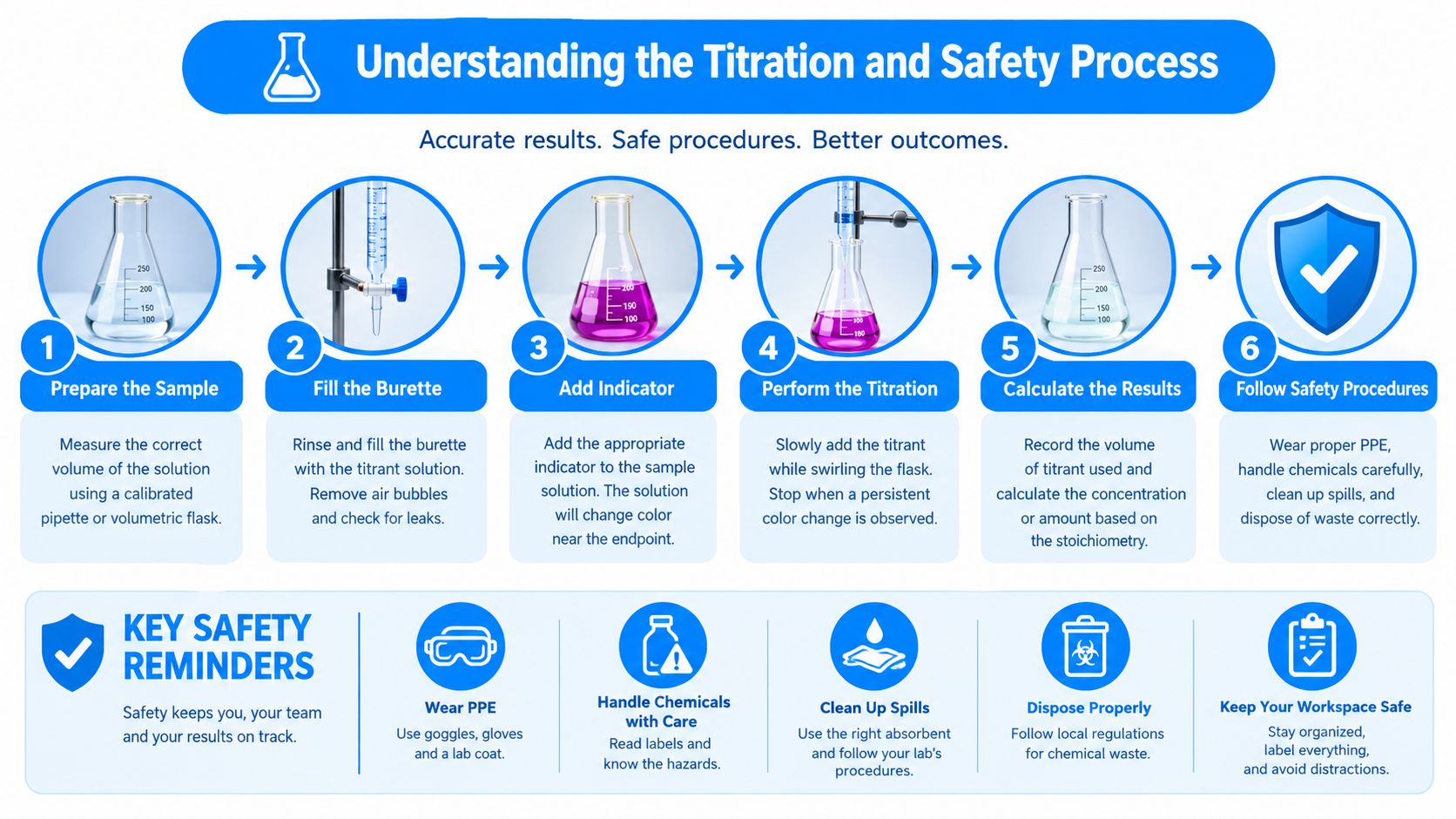
Titration should be treated as a clinical process rather than a race toward the highest dose.
- Screen before prescribing. The clinician reviews medical history, current medications, gastrointestinal symptoms, pregnancy considerations, relevant endocrine history, cardiovascular status, and prior response to weight-management treatment.
- Begin conservatively. The starting dose is selected to establish tolerability, not to maximize early weight loss.
- Assess symptoms and intake. Follow-up should address nausea, vomiting, bowel changes, hydration, meal tolerance, appetite, and any signs that intake has become inadequate.
- Escalate only when appropriate. The next dose should be considered after the patient has tolerated the current level and the clinician has reviewed response and adverse effects.
- Pause or reduce when needed. Persistent gastrointestinal symptoms, dehydration risk, or poor nutritional intake may justify holding escalation or adjusting treatment.
- Maintain the lowest effective dose. The goal is an effective, sustainable dose that supports adherence, not automatically the maximum labeled dose.
A 72-week phase 3 tirzepatide obesity trial included a 20-week dose-escalation period before maintenance dosing. Participants were adults with BMI at least 30, or at least 27 with a weight-related complication, and were randomized equally among 5 mg, 10 mg, 15 mg, or placebo groups (NEJM trial protocol). The design illustrates why structured escalation is built into treatment rather than added as an administrative precaution.
Warning signs that require contact
Patients shouldn't endure severe or persistent symptoms without speaking up. The prescribing team should be contacted for ongoing vomiting, inability to maintain fluids, severe abdominal pain, fainting, significant constipation, or an unexpected deterioration in general health. Urgent symptoms require urgent medical evaluation.
Safety rule: A stronger appetite effect isn't a success if the patient can't eat adequately, hydrate, exercise safely, or remain on treatment.
Titration also protects the clinical relationship. A patient who reports symptoms early gives the clinician an opportunity to adjust the plan before a manageable adverse effect becomes a reason to abandon therapy. That is why follow-up, medication reconciliation, and clear instructions are central components of a prescription appetite suppressant program.
Evaluating Efficacy and Managing Side Effects
Does reduced appetite automatically mean effective treatment? Not always. A prescription appetite suppressant should be judged by meaningful weight reduction, improved metabolic health, tolerable adverse effects, and the patient's ability to continue treatment safely. Results vary with the medication, dose, adherence, baseline health, and response to treatment.
A clinical summary of prescription weight-management medication reports that adults using medication within a lifestyle program lose about 3% to 12% more of their starting body weight after one year than those using lifestyle change alone (NIDDK summary of prescription weight-management medications). An evidence summary found that prescription appetite suppressants helped people achieve at least 5% weight loss on average, while a review of 143 studies reported typical reductions of 6% to 11%. These figures provide context, not a promise for any individual.
What the comparative data suggest
Older stimulant-based medications can produce measurable results, but their average effects were modest. In trial data reviewed by the NCBI review, phentermine produced 4.4% weight loss at 28 weeks versus 1.6% with placebo. Diethylpropion produced 6.6% at six months versus 0.5% with placebo. Older results help explain why incretin-based therapies changed expectations for prescription weight management, particularly as treatment goals shifted from appearance alone toward metabolic risk reduction.
Average efficacy still needs clinical context. A medication that produces greater weight loss on paper may offer less benefit if nausea, constipation, fatigue, or other adverse effects lead to missed doses or discontinuation. Comparative evidence describes stronger weight loss and glycemic improvement with tirzepatide than semaglutide in general, alongside a higher risk of serious adverse events in some analyses (tolerability and energy-intake evidence).
Practical management focuses on maintaining nutrition, hydration, function, and adherence:
- Eat smaller portions. Large meals may become difficult as fullness increases.
- Prioritize protein and fluids. A clinician or dietitian can help protect nutritional adequacy when appetite falls.
- Avoid forcing escalation. Persistent nausea warrants reassessment of the dose and schedule.
- Track function, not only weight. Energy, bowel function, hydration, strength, and adherence add important clinical information.
- Report new symptoms early. Prompt review can prevent a manageable problem from causing treatment discontinuation.
Hair shedding requires a separate discussion. Reviews describe GLP-1-associated alopecia most often as telogen effluvium or androgenetic alopecia, with stronger signals reported for semaglutide and tirzepatide. One review noted that reported semaglutide-related shedding appeared dose-dependent (hair-loss review). Another review found no prospective controlled studies specifically evaluating the problem, while a retrospective dermatology cohort of 283 GLP-1 receptor agonist users found no significant drug-specific association with androgenetic alopecia or telogen effluvium (hair-loss evidence review). Hair shedding is a recognized clinical signal, not proof of direct causation.
Navigating Compounded Versus FDA-Approved Therapies
What should patients verify before choosing a compounded prescription appetite suppressant instead of an FDA-approved treatment? The end of the U.S. GLP-1 shortage changed the access question. Patients must now consider whether a compounded product remains appropriate, how any substitution should occur, and who will monitor the transition.
FDA shortage resolutions and subsequent court decisions ended the shortage rationale for mass compounding, as reflected in the FDA drug shortage database entry for semaglutide and tirzepatide and the FDA drug shortage database entry for tirzepatide. 2026 reporting continued to describe compounded GLP-1 products being offered widely, contributing to uncertainty about legality, continuity of care, and substitution pathways (reporting on compounding after the FDA shortage resolution).
FDA-approved does not mean risk-free
An FDA-approved medication has an established label, defined indications, standardized manufacturing requirements, and clinical evidence supporting its use. Approval does not remove the need for screening or follow-up. Nausea, vomiting, constipation, medication interactions, contraindications, and treatment failure remain possible.
Compounded medication has a different regulatory position. A compounded formulation may be appropriate in specific circumstances under applicable rules, but the patient should understand why it is being used, which pharmacy prepared it, how potency and sterility are assessed, and which instructions govern storage and administration. A compounded product should not be assumed to be equivalent to an FDA-approved medication.
Questions patients should ask
A responsible clinical pathway should address these points before treatment begins:
- What is the exact active ingredient and concentration? Written instructions should state the dose in units the patient can understand.
- Why is this formulation being selected? The reason should connect to clinical need, access, tolerability, or a documented treatment plan.
- Which pharmacy dispenses it? Patients should be able to verify licensing and quality processes.
- Who manages titration? A prescription without planned follow-up leaves the most safety-sensitive part unresolved.
- What is the substitution plan? The clinician should explain how to transition if the product becomes unavailable.
- How are adverse events reported? Patients need a direct route to the prescribing team.
Vials + Vitals provides physician-directed telehealth evaluation for metabolic protocols involving semaglutide and tirzepatide. U.S.-licensed providers determine eligibility, formulation, and titration schedules before pharmacy fulfillment. Patients considering any compounded prescription appetite suppressant should expect the same safeguards: a named clinician, a documented protocol, pharmacy accountability, and accessible follow-up.
Practical rule: Choose the option a qualified clinician can prescribe appropriately, obtain lawfully, monitor consistently, and adjust when the patient's biology changes.
Weight management is now better understood as chronic metabolic care rather than a short cosmetic intervention. Treatment decisions should balance expected weight reduction with appetite control, gastrointestinal tolerance, hair biology, reproductive considerations, cardiovascular history, access, and the likelihood of maintaining care. Bring the medication list, medical history, symptom concerns, and formulation questions to a licensed prescriber before starting or switching therapy.
Vials + Vitals offers physician-directed evaluation and individualized semaglutide and tirzepatide protocols, including titration oversight and formulation options for eligible patients. Visit Vials + Vitals to complete a confidential assessment and determine whether medically supervised metabolic-health care is appropriate.
Ready to see if this protocol fits your biology?
A licensed provider reviews every request before anything is prescribed.
Calibrate your metabolic protocol →