GLP-1 Side Effects: A Complete Clinical Reference

Evidence-based guide to GLP-1 side effects, from common nausea and GI issues to rare risks like pancreatitis and hair loss, plus management and red flags.
A 2026 retrospective found that 31.9% of GLP-1 users experienced a gastrointestinal adverse event within one year, including nausea or vomiting in 13%, new-onset GERD in 8.7%, and gastroparesis in 0.7%. The study calculated a number needed to harm of 17.2, a useful reminder that gastrointestinal tolerability can influence dose escalation, adherence, and whether treatment continues at all. The 2026 clinical study places these medicines in the right context: most GLP-1 side effects are manageable, but some require prompt clinical judgment.
The practical mistake is treating every symptom as either harmless or dangerous. A better approach separates expected adjustment effects, clinically significant problems, and red flags that warrant urgent evaluation. Titration speed, dose strength, meal composition, hydration, injection technique, and missed-dose decisions can shape tolerability as much as the active drug itself.
Table of Contents
- Why GLP-1 Side Effects Deserve a Clinical Map
- How GLP-1 Drugs Cause Side Effects in the Body
- The Most Common Gastrointestinal Side Effects
- Semaglutide vs Tirzepatide Tolerability Compared
- Managing Nausea, Vomiting and Constipation Day to Day
- Less Common but Clinically Important Risks
- Hair Loss and GLP-1 Medications
- When Side Effects Are Really Dosing or Workflow Errors
- Red Flags and When to Seek Medical Attention
- Quick Reference Table of GLP-1 Side Effects
- Delivery Format and Tolerability Signals
- Clinical Takeaways and Key Terms Glossary
Why GLP-1 Side Effects Deserve a Clinical Map
GLP-1 receptor agonists are powerful metabolic medicines, but their benefits and adverse effects arise from overlapping biology. Appetite suppression, earlier satiety, and delayed gastric emptying can support weight management while also producing nausea, reflux, constipation, or vomiting. The clinical task isn't to eliminate every sensation. It's to determine whether the symptom reflects expected adaptation, excessive dose exposure, dehydration, or a separate condition.
Public discussion often compresses this spectrum into “stomach upset.” That description misses the decisions that matter. A patient with brief nausea after a dose increase may need smaller meals and more time at the current dose. A patient with persistent vomiting, reduced urine output, or severe abdominal pain needs medical assessment.
Three useful risk tiers
Expected and manageable symptoms include transient nausea, fullness, mild reflux, constipation, diarrhea, and injection-site irritation. These often appear during initiation or after escalation and may improve when the dose remains stable.
Clinically significant but uncommon problems include gallbladder disease, kidney injury related to volume depletion, and persistent gastrointestinal symptoms that interfere with nutrition or medication adherence. These aren't reasons for automatic alarm, but they do require contact with the prescribing clinician.
Rare but actionable red flags include severe persistent abdominal pain, jaundice, inability to keep fluids down, marked abdominal distension, or signs of a severe allergic reaction. Waiting for these symptoms to resolve at home can be unsafe.
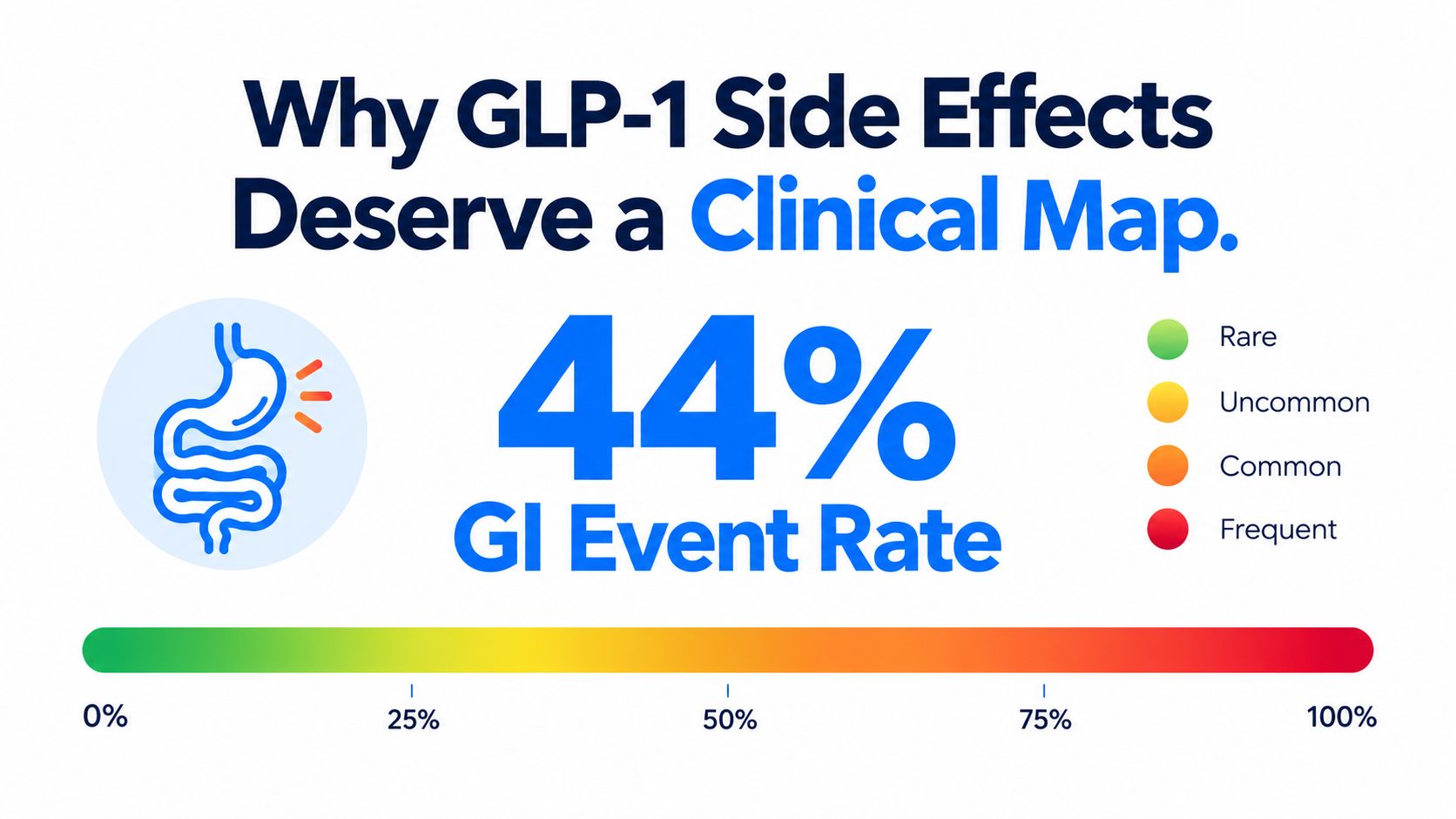
The most useful clinical map pairs each symptom with mechanism, realistic frequency, timing, prevention, and an escalation threshold. That framework helps patients avoid two opposite errors, stopping a useful treatment unnecessarily or pushing through a symptom that needs evaluation.
How GLP-1 Drugs Cause Side Effects in the Body
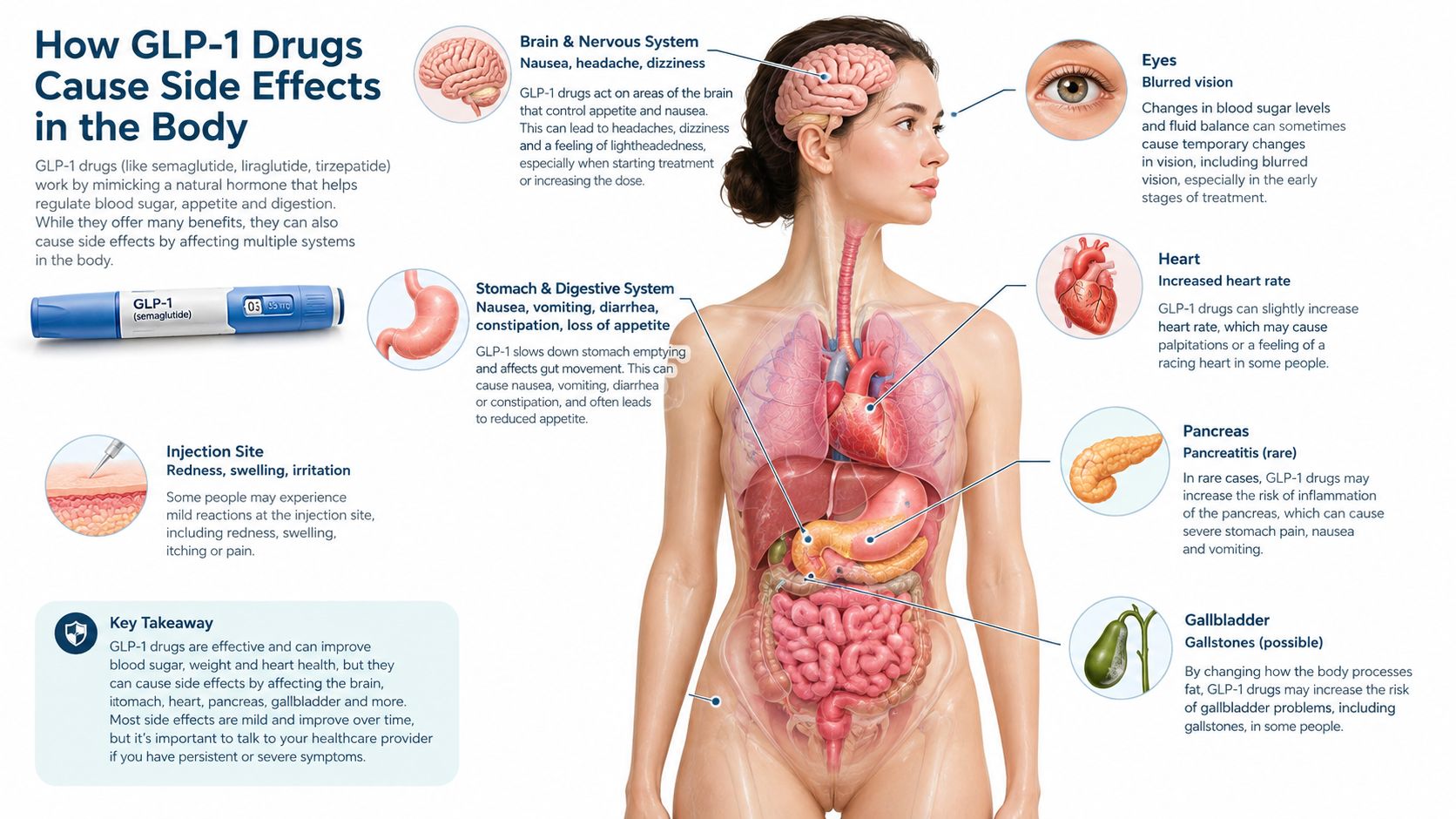
GLP-1 is an incretin hormone released after eating. Medications that activate the GLP-1 receptor strengthen signals involved in glucose-dependent insulin release, appetite regulation, and satiety. In the hypothalamus, receptor activation contributes to the brain's perception that enough food has been consumed.
The same signaling reaches the gastrointestinal system. GLP-1 receptors on vagal afferent pathways and within the gastric wall contribute to slower gastric emptying and earlier fullness. Food remains in the stomach longer, which can produce nausea, bloating, reflux, or discomfort when meal size exceeds the new capacity for comfortable digestion.
Why nausea can occur without much food
Vomiting isn't driven only by a physically overfilled stomach. Brainstem pathways, including the area postrema and nucleus tractus solitarius, process signals associated with nausea and emesis. These pathways can respond even when the stomach contains little food, which explains why merely skipping a meal doesn't always end the sensation.
Tirzepatide adds GIP receptor activity to GLP-1 receptor activity. That dual action may shift the tolerability pattern between individuals and doses, but it doesn't remove the gastric-emptying component. A recent scholarly review found a class effect of more nausea, vomiting, diarrhea, and constipation than placebo in people without diabetes, with nausea risk raised for both semaglutide and tirzepatide. The review's randomized-trial summary supports the clinical observation that gastrointestinal symptoms are a defining pharmacologic pattern, not an incidental complaint.
Rapid escalation amplifies these signals because the body hasn't adapted to the new exposure. Slower titration gives receptor and gastrointestinal pathways time to accommodate the effect. That mechanism explains why the same dose can feel tolerable after a period of stability yet provoke symptoms immediately after an increase.
The Most Common Gastrointestinal Side Effects
Nausea is the symptom most likely to shape the early treatment experience. A major safety synthesis found gastrointestinal adverse effects in 40% to 70% of treated patients, with some trials reaching 85%. Nausea, vomiting, diarrhea, and constipation were the dominant events, and semaglutide and tirzepatide both showed increased nausea risk compared with placebo. The 2022 safety synthesis
These figures describe a range of trial populations, doses, study designs, and reporting methods. They cannot predict whether one patient will develop a particular symptom. A 2025 systematic review reported GI events in 30.81% of semaglutide-study participants and 79.8% of tirzepatide-study participants, a spread that illustrates how strongly study composition and exposure affect estimates. The systematic review of gastrointestinal adverse effects Those figures are useful for judging overall burden, not for making a direct prediction about every regimen.
| Symptom | Reported study estimate | Clinical pattern |
|---|---|---|
| Nausea | 30.81% in semaglutide studies; 79.8% in tirzepatide studies | Often appears after initiation or escalation |
| Vomiting | Included among dominant GI events | Often appears after initiation or escalation |
| Diarrhea | Included among dominant GI events | Common during dose adjustment |
| Constipation | Included among dominant GI events | Common during dose adjustment |
The table should not be read as a head-to-head comparison of semaglutide 2.4 mg and tirzepatide 15 mg. The underlying studies used different populations and methods, so the reported percentages are not interchangeable.
Most symptoms are mild to moderate and improve after exposure stabilizes. Concern rises when symptoms prevent adequate fluid intake, limit nutrition, or continue despite holding the dose. Those cases often drive decisions about dose reduction, slower escalation, or changing treatment.
A symptom diary gives the prescriber actionable detail. Record the dose, timing, meals, vomiting episodes, bowel movements, fluid intake, and urine output. This pattern helps distinguish an expected dose response from a titration or workflow problem that needs prompt adjustment.
Semaglutide vs Tirzepatide Tolerability Compared
Semaglutide and tirzepatide produce broadly similar gastrointestinal effects, yet the available trials do not establish one universal tolerability winner. In comparative evidence, nausea risk relative to placebo was 2.95 for semaglutide and 2.90 for tirzepatide. Vomiting showed a wider separation, with a relative risk of 13.23 for tirzepatide versus 4.21 for semaglutide. The comparative GLP-1 review also illustrates why dose, comparator, and study population must be considered together.
| Side effect | Semaglutide, Wegovy 2.4 mg | Tirzepatide, Zepbound 15 mg | Interpretation |
|---|---|---|---|
| Nausea RR vs placebo | 2.95 | 2.90 | Similar relative risk |
| Vomiting RR vs placebo | 4.21 | 13.23 | Higher relative risk with tirzepatide in this review |
| Diarrhea | Reported GI event | Reported GI event | Compare exposure and escalation, not labels alone |
| Constipation | Reported GI event | Reported GI event | Individual response can differ by dose and baseline bowel function |
A later comparative review also found frequent gastrointestinal events with both medicines, but its pooled populations were not identical. Reported tolerability reflects exposure, escalation speed, baseline gastrointestinal function, and whether treatment remained at a lower dose. These factors can make a workflow problem look like a drug-specific effect.
What should guide the choice
A side-effect ranking is only one part of the decision. Review prior reflux or constipation, diabetes status, kidney vulnerability, gallbladder history, eating pattern, ability to follow the titration schedule, and symptoms at each dose.
Clinical rule: The best-tolerated regimen is often the highest dose a patient can sustain safely, not the highest dose listed in a protocol.
Tirzepatide's dual incretin activity may create a different balance between weight-loss response and gastrointestinal symptoms, but it does not guarantee fewer adverse effects. Semaglutide may also be well tolerated when escalation is deliberate. The practical comparison is molecule, dose, exposure, and execution together.
Managing Nausea, Vomiting and Constipation Day to Day
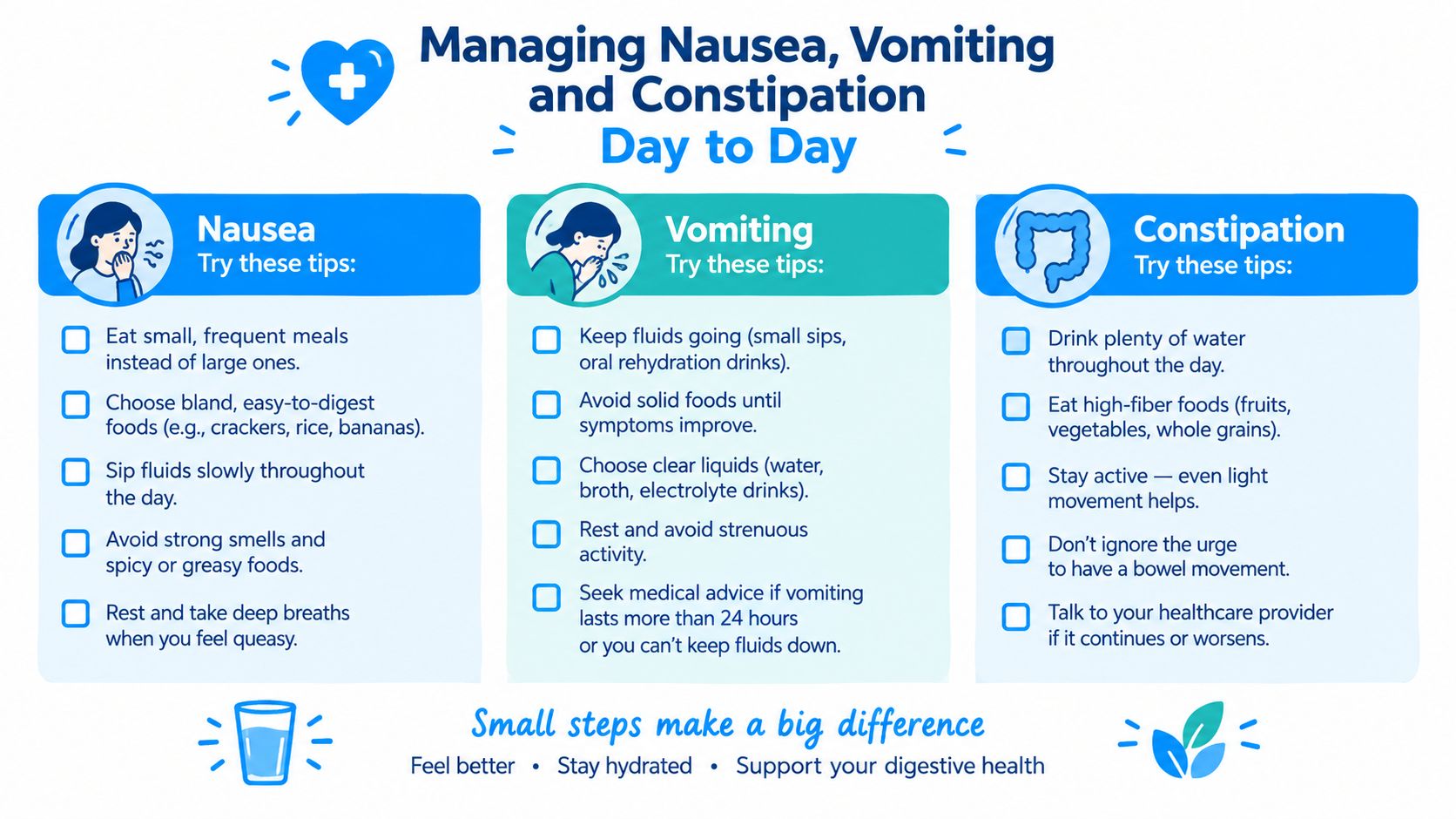
The first response to GLP-1 gastrointestinal symptoms should usually be dose and behavior review, not an immediate search for another medication. A practical sequence helps identify the variable that changed.
Start with the dose
Each dose should generally be maintained for the prescribed interval, often at least four weeks, unless the treating clinician gives different instructions. A patient shouldn't escalate during an active nausea or vomiting episode, and shouldn't double a dose independently after a missed injection.
Meals also need to match slower gastric emptying. Smaller portions, slower eating, low-fat protein-forward foods, and stopping at the first clear satiety signal are more useful than forcing a conventional meal size. Fried foods, very rich meals, and large sugar loads commonly worsen discomfort because they add digestive stress to an already slowed stomach.
Separate fluids from solids when that reduces fullness, and remain upright after eating if reflux is prominent. Some patients find evening dosing more comfortable, but dose timing should follow the prescribed regimen rather than become a substitute for titration review.
Protect hydration and bowel function
A practical fluid target may be 2 to 2.5 liters daily, adjusted for medical conditions and clinician advice. During vomiting, replacing electrolytes can be important, but persistent vomiting isn't a home-hydration challenge. Inability to retain fluids, dark urine, or reduced urine output requires medical contact.
For constipation, soluble fiber such as psyllium, adequate fluids, and regular movement can help. Magnesium oxide at 200 to 400 mg may be appropriate for some adults, but kidney disease, medication interactions, and the risk of worsening diarrhea require clinician review.
Ondansetron 4 mg as needed is sometimes used for breakthrough nausea under medical direction. It doesn't correct excessive dosing or obstruction, and it can worsen constipation. If bowel symptoms persist, the prescriber should choose a bowel regimen rather than relying on repeated self-treatment.
Less Common but Clinically Important Risks
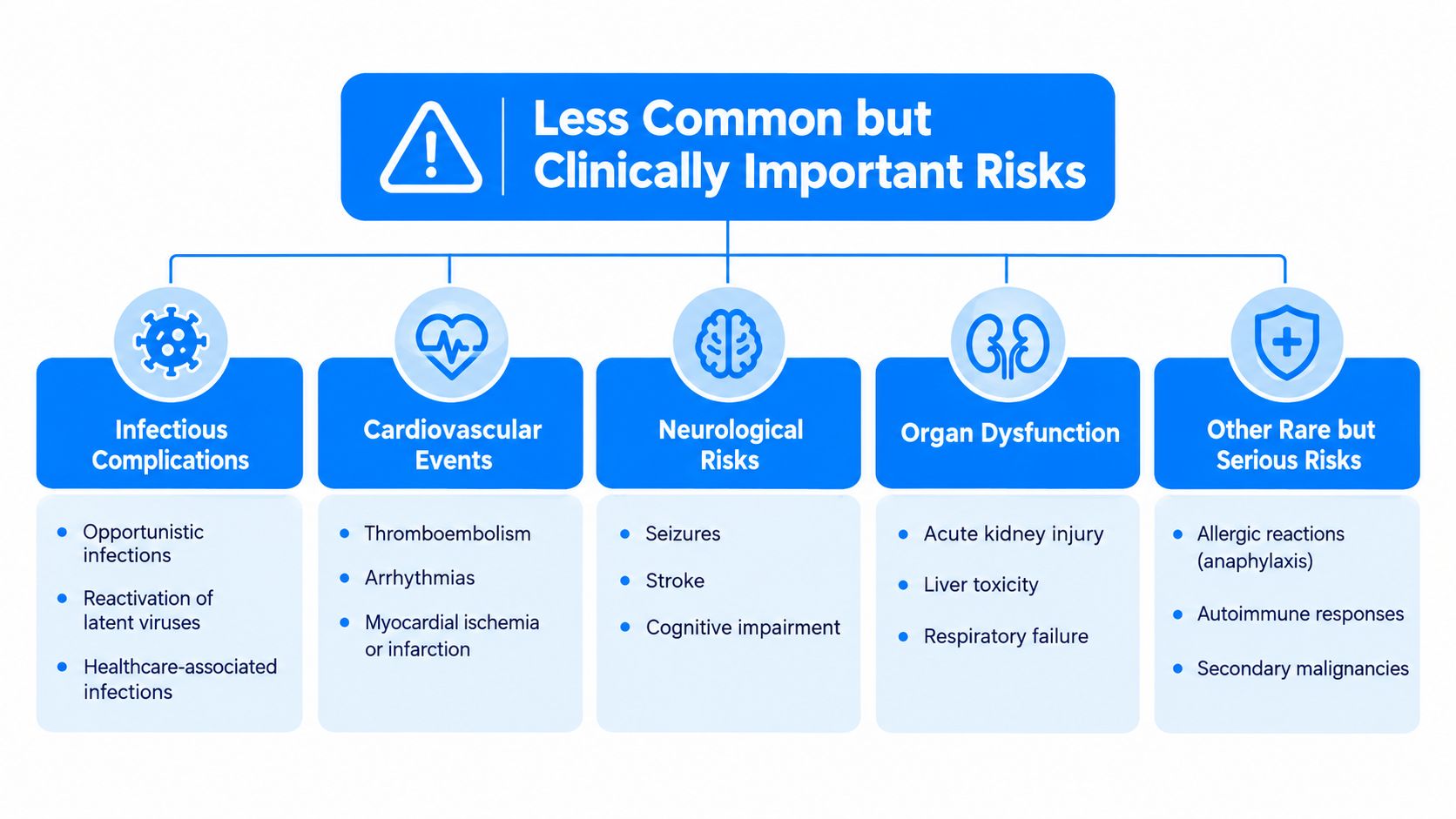
A symptom list that stops at nausea is incomplete. Less-discussed complications include gallbladder disease, pancreatitis, kidney injury related to dehydration, delayed gastric emptying around anesthesia, and bowel-motility signals. These events are uncommon compared with routine GI symptoms, but their warning patterns are specific enough that patients should know them.
Abdominal pain requires localization
Right upper quadrant pain, particularly after a fatty meal, can point toward gallbladder disease. Recent clinical sources have emphasized gallbladder disease and other non-GI-publicized risks as part of the broader safety conversation, while also noting that most tirzepatide adverse events in trials were GI and dose-related. The 2025 clinical review supports a calibrated position: common tolerability problems deserve practical management, while persistent or severe symptoms need evaluation.
Severe, persistent epigastric pain, especially pain radiating to the back, raises concern for pancreatitis. The correct response isn't to take another dose and observe. The patient should stop and seek immediate medical assessment, where clinicians can determine whether pancreatitis or another abdominal emergency is present.
Dehydration can injure the kidneys
Acute kidney injury has been reported in the setting of prolonged vomiting or diarrhea and volume depletion. The concern is often indirect, through inadequate circulating fluid volume rather than simple direct nephrotoxicity. Reduced urination, dark urine, dizziness, marked weakness, or inability to drink should prompt same-day guidance.
Delayed gastric emptying also matters before sedation or anesthesia because retained stomach contents may increase aspiration risk. Patients must disclose GLP-1 treatment to the procedural team well before an elective procedure. Holding instructions are individualized and should come from the anesthesia and prescribing teams, not from an internet schedule.
Abdominal distension, worsening pain, and inability to pass stool or gas require urgent evaluation for serious motility problems. Pharmacovigilance signals can identify patterns, but they can't diagnose an individual patient.
Hair Loss and GLP-1 Medications
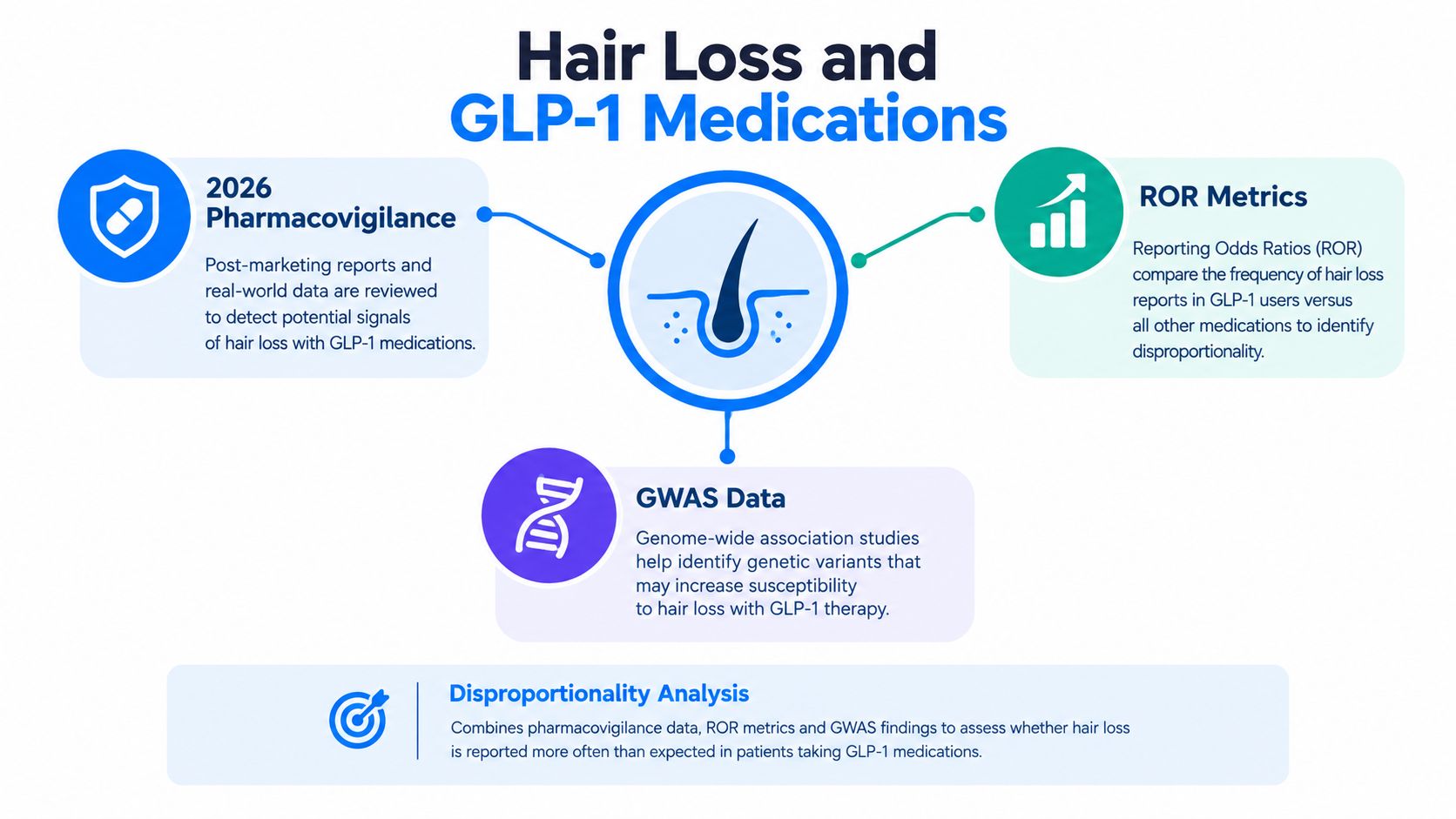
Hair shedding deserves a separate explanation because it can be distressing and is often attributed too quickly to direct drug toxicity. A pharmacovigilance review found that semaglutide and tirzepatide were the GLP-1 medicines most often linked to hair-loss signals. Semaglutide showed the strongest reporting-odds-ratio range, ROR 1.24 to 2.46, while tirzepatide was also implicated across a literature base exceeding 620,000 patients. The pharmacovigilance hair-loss review identifies a signal, not proof that either medicine directly damages follicles.
A 2026 cohort summarized by George Washington University analyzed nearly 550,000 patients and associated GLP-1 receptor agonist use with higher risk of nonscarring hair loss, including telogen effluvium and androgenetic alopecia, at 12 months independent of age, sex, body mass index, and diabetes status. The George Washington University summary warrants attention, but association still doesn't establish the pathway.
The biology usually points to stress and weight loss
Telogen effluvium is diffuse shedding that often follows a physiologic stressor, substantial caloric restriction, or rapid weight loss. It commonly begins after a delay, rather than immediately after the first dose, and can improve as nutritional intake and weight stabilize. The hair cycle explains why the trigger and the shedding may be separated in time.
Androgenetic alopecia behaves differently. It produces patterned thinning and reflects follicular sensitivity to androgen signaling rather than a temporary stress response. Thyroid disease, iron deficiency, inadequate protein intake, and postpartum physiology can also produce shedding.
A clinician should assess the distribution, timing, scalp findings, weight trajectory, nutrition, and relevant laboratory risks. Hair shedding often improves over several months, but patterned loss or persistent progression shouldn't be dismissed as “just the medication.”
When Side Effects Are Really Dosing or Workflow Errors
Not every adverse-event report reflects the molecule's intrinsic pharmacology. In real-world use, patients may misread concentration instructions, use the wrong product, change the route, restart at an inappropriate dose after a gap, or escalate without clinical guidance.
A tirzepatide pharmacovigilance analysis found 19,461 reports of incorrect dose administration through the first quarter of 2025. The real-world safety analysis also identified cutaneous reports such as alopecia, pruritus, and drug eruptions. The central lesson is operational: the treatment experience includes prescribing, dispensing, storage, measuring, administration, and follow-up.
A practical error audit
Before labeling severe nausea as drug intolerance, the prescriber should verify:
- The product and concentration: The patient should confirm the exact medication, concentration, and prescribed volume.
- The timing: Escalation shouldn't occur during active symptoms or immediately after an extended interruption without clinical direction.
- The route: Injection, oral, and other formulations have different administration requirements.
- The measurement: Vial-based dosing requires careful reading of syringe units and concentration instructions.
- The follow-up plan: Missed doses and adverse symptoms should trigger a documented protocol, not patient-led dose doubling.
A workflow error can create an abrupt exposure spike, followed by vomiting and dehydration that the patient understandably blames on the drug. Correcting the process may restore tolerability, but severe symptoms still require clinical assessment.
Red Flags and When to Seek Medical Attention
Patients need thresholds, not reassurance without direction. A mild queasy feeling after a dose increase can often be discussed during routine follow-up. Severe pain, inability to hydrate, or systemic symptoms should be handled more urgently.
Seek same-day or emergency care for
- Severe abdominal pain: Persistent epigastric pain, especially pain radiating to the back or lasting beyond a day, needs urgent evaluation for pancreatitis and other abdominal emergencies.
- Uncontrolled vomiting: Vomiting that prevents oral intake for 12 hours or more, or produces dark urine and reduced output, raises concern for dehydration and kidney injury.
- Possible gallbladder disease: Yellowing of the skin or eyes with right upper quadrant pain requires prompt assessment. New right-sided pain after fatty meals also warrants timely clinical review.
- Circulatory or neurologic symptoms: Syncope, chest pain, or focal neurologic deficits during dehydration require emergency evaluation.
- Allergic reaction: Facial, lip, or throat swelling, breathing difficulty, or a widespread rapidly developing rash is an emergency.
A simple self-check can guide the call. Can the patient keep fluids down? How often has vomiting occurred? Is urine becoming darker or less frequent? If oral intake is failing or urine output is falling, next-day telehealth review is too slow.
Safety threshold: Patients shouldn't wait for a scheduled appointment when vomiting prevents hydration, severe abdominal pain persists, or jaundice appears.
Symptoms without red flags can still merit a next-day discussion if they recur after every dose, prevent normal meals, cause ongoing constipation, or lead to missed medication. The prescriber may pause escalation, reduce exposure, assess another cause, or change the treatment plan.
Quick Reference Table of GLP-1 Side Effects
This matrix is designed for a rapid check during dose escalation or a clinic call. Timing varies, so the onset pattern should be interpreted alongside severity and hydration status.
| Side effect | Typical onset | Self-care step | Escalate if... |
|---|---|---|---|
| Nausea | After initiation or dose increase | Smaller low-fat meals, slow eating, clinician-directed antiemetic | It prevents fluid or food intake |
| Vomiting | Early after escalation or excessive exposure | Stop escalation, use clinician-directed hydration plan | It lasts 12 hours or fluids cannot stay down |
| Diarrhea | During adjustment or after dietary triggers | Fluids and electrolyte replacement when appropriate | Urine output falls or dizziness develops |
| Constipation | During slowed gut transit | Soluble fiber, fluids, movement, clinician-approved bowel regimen | Severe pain, distension, or inability to pass stool or gas |
| Abdominal pain | Any time, especially with severe symptoms | Don't self-treat persistent severe pain | It is severe, persistent, or radiates to the back |
| Gallbladder symptoms | After meals or during weight loss | Arrange clinical assessment | Right upper quadrant pain with jaundice or fever |
| Pancreatitis signs | Sudden persistent upper abdominal pain | Hold further dosing and seek care | Pain radiates to the back or vomiting is present |
| Hypoglycemia | More likely with glucose-lowering combinations | Follow the prescribed glucose plan | Confusion, syncope, or severe weakness occurs |
| Hair shedding | Delayed after physiologic stress or weight loss | Review nutrition and alternative causes | Patterned or progressive loss continues |
| Injection-site reaction | Soon after injection | Rotate sites and monitor | Extensive swelling, infection signs, or allergy symptoms |
| Aspiration risk | Around sedation or anesthesia | Tell the procedural team early | Breathing symptoms or an aspiration event occurs |
Delivery Format and Tolerability Signals
Delivery method affects more than convenience. It changes the error surface, the instructions a patient must follow, and how medication exposure reaches the body.
Subcutaneous injections require accurate dose measurement, proper storage, site rotation, and a clear plan for missed doses. Oral formulations add requirements involving fasting, water, and stomach contents. Sublingual or orally disintegrating formats may avoid a needle, yet still depend on precise timing and product-specific instructions.
Compounded preparations introduce additional points of variation. Before the first dose, the patient should understand concentration, syringe units, reconstitution, storage, and dispensing directions. As noted above, incorrect-dose administration was the most frequently reported safety problem in the tirzepatide pharmacovigilance data, which makes workflow review a clinical priority rather than an afterthought.
The right comparison
Injectable users can develop medication-related GI symptoms. Patients using nonstandard formats may instead face administration confusion or inconsistent exposure. These patterns do not establish that one route is universally safer. The practical question is whether the patient can follow the instructions reliably and receive appropriate clinical oversight.
Oral semaglutide may be more sensitive to administration conditions because absorption depends on how the dose is taken. Taking it with the wrong amount of water or alongside food may alter exposure or reduce effect. The response should be clinician review, not an extra dose.
Tolerability reflects the combined effects of molecule, formulation, dose, and workflow. Vials + Vitals describes physician review, individualized titration, injectable and needle-free options, and dispensing through licensed U.S. pharmacy partners.
Clinical Takeaways and Key Terms Glossary
Six durable points deserve emphasis:
- GI symptoms are dose-dependent and titration-sensitive.
- Many patients adapt as exposure stabilizes, but persistent symptoms need review.
- Serious events are uncommon yet actionable when specific warning signs appear.
- Dosing and administration errors are a distinct risk class, not merely patient noncompliance.
- Hair shedding often reflects telogen effluvium, nutritional stress, or weight-loss kinetics rather than direct follicle toxicity.
- Red flags require same-day evaluation, not watchful waiting.
GLP-1 means glucagon-like peptide 1. GIP is glucose-dependent insulinotropic polypeptide. An incretin is a gut-derived hormone that helps coordinate glucose and appetite responses. Gastric-emptying delay means food leaves the stomach more slowly. Telogen effluvium is diffuse temporary shedding after physiologic stress. Pharmacovigilance is the monitoring of medication safety after and during real-world use. ROR, or reporting odds ratio, measures disproportional reporting and doesn't prove causation. Titration is gradual dose adjustment. Pancreatitis is inflammation of the pancreas.
Bookmark this reference before each dose change, and keep the prescribing clinician informed about symptoms rather than treating escalation as automatic.
Vials + Vitals offers physician-directed telehealth assessment, individualized GLP-1 and dual-incretin titration, and ongoing support for side-effect monitoring. Patients can review treatment eligibility and safety parameters through the Vials + Vitals clinical intake before starting or adjusting therapy.
Ready to see if this protocol fits your biology?
A licensed provider reviews every request before anything is prescribed.
Explore hair protocols →