GLP-1 for Weight Loss: Mechanisms, Results, and Safety

GLP-1 for Weight Loss. Understand how GLP-1 therapy works for sustained weight management. Learn clinical results, timelines, side effects, and what
U.S. usage of GLP-1 medications surged from 3% in 2024 to 11% in 2026, making medication-assisted metabolic care a mainstream clinical reality rather than a passing trend. For weight loss, semaglutide produced an average 14.9% reduction in body weight, while tirzepatide produced 20.2% in a direct comparison with semaglutide 2.4 mg.
That distinction matters, but the larger clinical question is not just which medication produces the most dramatic before-and-after result. GLP-1 therapy changes appetite regulation, digestion, and treatment expectations. The durable question is what happens when treatment continues, how side effects are managed, and whether a patient has a credible maintenance plan if the medication is reduced or stopped.
Table of Contents
- The New Standard in Metabolic Health
- How GLP-1 Therapy Regulates Appetite
- Semaglutide Versus Tirzepatide Choosing a Protocol
- What to Expect During the First Year
- The Reality of Long-Term Maintenance
- Navigating Side Effects and Safety
- Telehealth and Modern Treatment Access
- Next Steps for Your Weight-Loss Journey
The New Standard in Metabolic Health
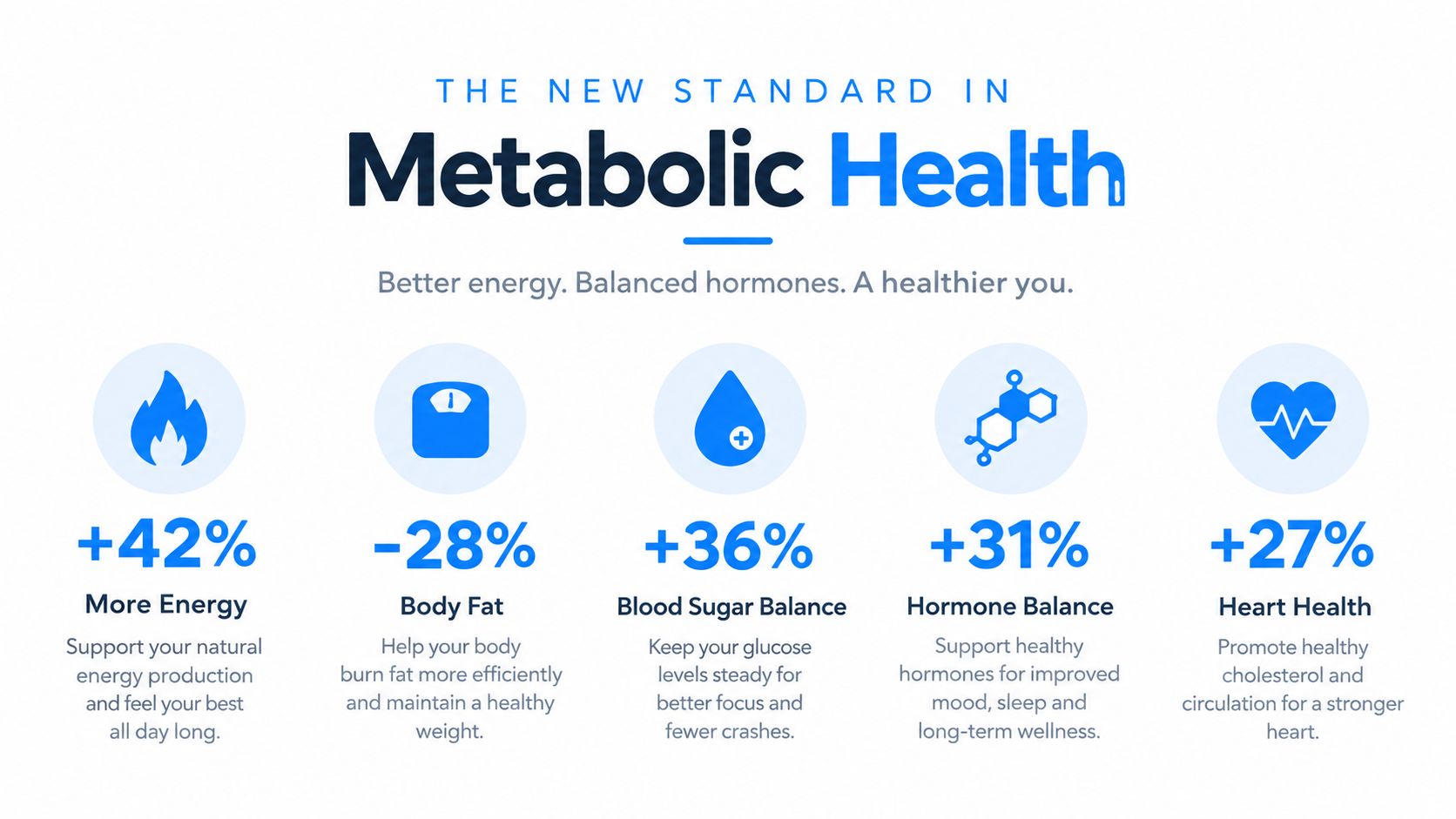
The rise of GLP-1 therapy reflects a change in how chronic weight management is understood. Obesity is not merely a matter of willpower or short-term dietary discipline. For many patients, appetite signaling, insulin regulation, satiety, and energy balance create persistent physiological pressure that lifestyle changes alone may not fully overcome.
U.S. usage of GLP-1 medications increased from 3% in 2024 to 11% in 2026, reflecting a rapid shift toward medication-assisted metabolic health management, as summarized by Stanford Medicine's clinical overview of GLP-1 therapy. The adoption rate does not prove that every patient needs medication. It does show that clinicians and patients increasingly view these therapies as tools for managing a chronic metabolic condition.
From cosmetic shortcut to clinical intervention
Semaglutide became the first GLP-1-based drug approved specifically for chronic weight management in the United States on June 4, 2021. Its approval was supported by the STEP program, which included about 4,500 participants across four phase 3a trials. In STEP 1, adults taking weekly semaglutide at 2.4 mg for 68 weeks lost an average of 14.9% of body weight, compared with 2.4% with placebo, according to the FDA approval announcement for Wegovy.
These results moved obesity treatment beyond the expectation of modest average reductions. They also created a responsibility for clinicians to discuss long-term use, nutritional adequacy, treatment tolerance, and weight maintenance rather than presenting medication as a brief corrective measure.
Clinical perspective: The appropriate goal isn't rapid weight loss at any cost. It's a safer reduction that improves metabolic health and can be maintained through a realistic long-term plan.
How GLP-1 Therapy Regulates Appetite
GLP-1, or glucagon-like peptide-1, is a hormone released by the gut after food intake. GLP-1 medications imitate or amplify this signaling pathway, helping the body coordinate appetite, digestion, and glucose regulation. They don't act as conventional appetite suppressants. They modify several physiological signals that influence when a person feels hungry, satisfied, and ready to stop eating.
The practical effect can feel like an internal off switch for persistent hunger. Patients may still enjoy food, but background cravings and the urgency to keep eating can become less dominant. That change makes portion control more attainable, although it doesn't remove the need for adequate nutrition or individualized medical supervision.
The biology behind fullness
The weight-loss effect of GLP-1 therapy comes from appetite regulation combined with delayed gastric emptying, according to a systematic review of semaglutide obesity trials. Delayed gastric emptying can extend the period of fullness after a meal, while signals reaching appetite centers in the brain can reduce the intensity of hunger and cravings.
The medications also influence glucose-dependent insulin release and glucagon signaling. Those effects are especially relevant for patients with insulin resistance or type 2 diabetes, but weight management protocols still require assessment of the full medical picture, including other medications and glycemic risk.
Why dose escalation matters
More medication isn't automatically better medication. Exposure must increase gradually so the digestive system can adapt while the clinical team assesses appetite response, hydration, bowel habits, and other symptoms. A patient who escalates too quickly may experience avoidable gastrointestinal intolerance and may struggle to maintain adequate food and fluid intake.
Food quality becomes more important as appetite declines. Smaller meals should still provide protein, fiber, fluids, and micronutrients. A medication that suppresses hunger without a plan for nourishment can create a poor nutritional pattern, even when the scale is moving in the desired direction.
Semaglutide Versus Tirzepatide Choosing a Protocol
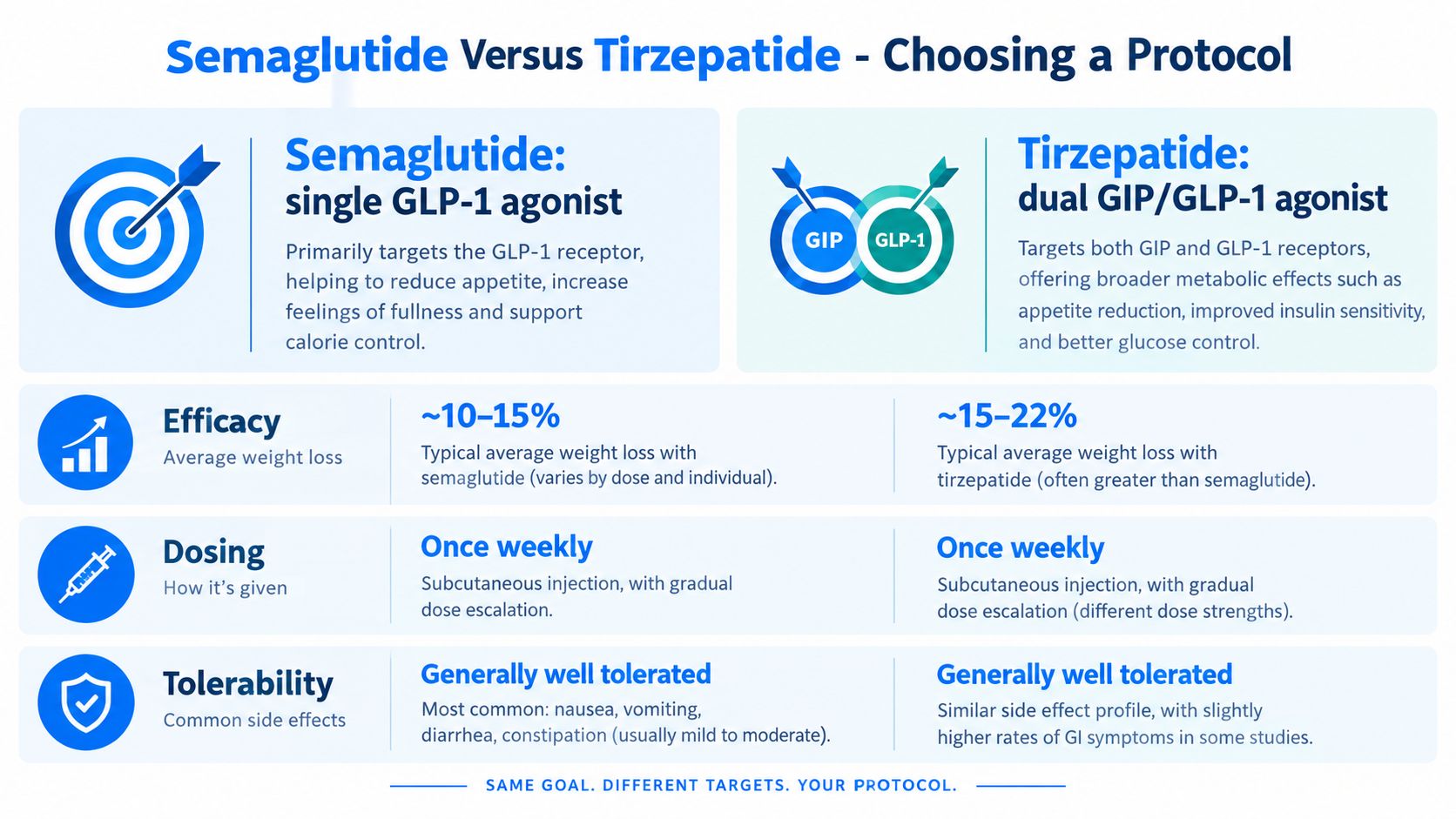
Semaglutide and tirzepatide are related but not identical therapies. Semaglutide acts primarily as a GLP-1 receptor agonist. Tirzepatide activates both GIP and GLP-1 pathways, which is why it is often described as a dual incretin agonist. The difference may help explain why tirzepatide can produce greater average weight reduction in some trial populations, although an individual response can differ substantially.
A direct comparison is more useful than comparing results from unrelated studies. In the 72-week SURMOUNT-5 trial, adults with obesity without diabetes experienced mean weight loss of 20.2% with tirzepatide versus 13.7% with semaglutide 2.4 mg. The difference was statistically significant, with 670 participants enrolled, as reported in the published SURMOUNT-5 trial record.
What the comparison does and doesn't prove
The trial supports tirzepatide as a highly effective option for average weight reduction under the conditions studied. It doesn't mean tirzepatide is automatically the correct choice for every patient. Treatment selection still depends on medical history, glucose status, gastrointestinal tolerance, prior response, dosing practicality, access, and the clinician's assessment of risk.
Semaglutide remains clinically meaningful. In the STEP 1 program, 35% of patients lost more than 20% of body weight and 11% lost more than 30%, according to the semaglutide approval data. Because that source has already been used in this article, the data should be interpreted as part of the earlier evidence rather than treated as a separate head-to-head comparison.
A protocol should match the patient
The most effective protocol on paper can fail in practice if adverse effects cause discontinuation or if the schedule doesn't fit a patient's life. A lower tolerated dose with consistent follow-up may produce better real-world results than an aggressive approach that repeatedly interrupts treatment.
Clinicians should also distinguish a weight-loss plateau from medication failure. A plateau may prompt a review of adherence, protein intake, resistance exercise, sleep, dose tolerance, and the possibility that the current maintenance dose has become less effective. Switching therapies may be appropriate in some cases, but it shouldn't be the first response to every period of slower progress.
What to Expect During the First Year
The first year usually involves adjustment rather than a straight decline on the scale. Early treatment focuses on tolerability and establishing a dose that reduces appetite without creating persistent nausea, dehydration, constipation, or inadequate nutritional intake. Later phases focus on maintaining the response and protecting lean tissue and daily function.
A practical treatment sequence
Starting dose: The initial dose is generally selected for tolerability, not maximum weight reduction. Patients should follow the prescribed schedule rather than changing the amount based on a single weigh-in or a particularly hungry day.
Gradual titration: Dose increases allow clinicians to evaluate the balance between satiety and gastrointestinal symptoms. If nausea, vomiting, constipation, or poor intake becomes clinically significant, the next increase may need to be delayed or reconsidered.
Early response: Appetite may change before body weight changes become obvious. This period is useful for establishing meals that are nutrient-dense and adequately rich in protein, rather than relying on large portions that no longer feel comfortable.
Maintenance planning: Once a tolerated and effective dose is established, the focus shifts from chasing the lowest possible number on the scale to preserving health gains. Weight may fluctuate, and plateaus are expected physiological events rather than proof that treatment has stopped working.
What patients should track
A useful clinical record includes more than body weight. Patients and clinicians should consider hunger intensity, fullness after meals, bowel patterns, hydration, activity, sleep, medication timing, and any symptoms that interfere with daily life. For patients with diabetes, glucose monitoring may be part of the plan.
Practical rule: A plateau deserves assessment, not panic. The correct response may be nutrition support, a slower titration schedule, a treatment adjustment, or simply more time at a tolerated dose.
Weight loss also needs to be interpreted in context. A patient who is eating very little because of persistent nausea may be losing weight for the wrong reason. A patient who feels stronger, moves more easily, and maintains adequate nourishment may be making meaningful progress even when weekly measurements are uneven.
The Reality of Long-Term Maintenance
The before-and-after narrative is incomplete without the after-treatment phase. GLP-1 therapy can reduce appetite and support weight loss while it is active, but discontinuation removes part of that physiological support. Patients who view treatment as a short detox may be unprepared for returning hunger, changing portion tolerance, and the need for structured follow-up.
A 2026 analysis of more than 9,000 patients, summarized by Stanford Medicine, found that people who stopped semaglutide or tirzepatide regained an average of nearly 2 pounds per month. The same summary described a separate tracker in which most adults without diabetes who had lost weight in the first year sustained that loss into the second year when treatment continued, illustrating how outcomes can diverge after discontinuation. These findings are presented in Stanford Medicine's review of long-term GLP-1 use, which has already been cited for adoption data.
Maintenance is a treatment phase
A maintenance plan should be discussed before the first dose, not after weight regain has begun. Possible clinical approaches include continued therapy, a carefully monitored reduction, or discontinuation with structured nutritional, behavioral, and medical support. The appropriate path depends on the original indication, current health status, treatment response, and the risk created by returning appetite or worsening glucose control.
Lifestyle changes remain important, but they shouldn't be framed as a test of whether medication was necessary. Adequate protein, resistance exercise, regular movement, consistent sleep, and planned meals can help protect function and support maintenance. They may not fully replace the appetite effects of medication, particularly when obesity is a persistent chronic disease.
The question clinicians should ask
The most useful question isn't, “How quickly can treatment end?” It is, “What level of support is needed to preserve the health benefit?” Some patients may taper successfully, while others may need ongoing pharmacologic treatment. A responsible plan allows for either outcome without labeling continued therapy as failure.
Patients should also receive a clear response plan for rebound hunger, rising glucose, rapid weight regain, or symptoms that make nutrition difficult. Maintenance requires surveillance because the absence of dramatic side effects doesn't guarantee that the underlying metabolic condition has resolved.
Navigating Side Effects and Safety
Gastrointestinal symptoms are the most common practical limitation of GLP-1 therapy. In phase 3 trials, nausea affected 17% to 22% of tirzepatide users and 18% of semaglutide users, with most adverse events described as mild to moderate in severity, according to the published comparison of tirzepatide and semaglutide.
Symptoms can include nausea, vomiting, diarrhea, constipation, abdominal discomfort, and reduced appetite. The clinical response shouldn't be to push through severe symptoms without review. Prescribers may pause escalation, adjust the protocol, assess hydration and nutrition, or investigate another cause.
Practical symptom management
Use smaller meals: Large or heavy meals may be harder to tolerate when gastric emptying is delayed.
Choose foods carefully: Greasy, very rich, or spicy foods may worsen nausea for some patients, particularly during dose increases.
Protect hydration: Persistent vomiting or diarrhea can create dehydration and warrants prompt clinical guidance.
Report concerning symptoms: Severe or persistent abdominal pain, repeated vomiting, inability to maintain fluids, or symptoms suggesting an allergic reaction require medical assessment.
Hair retention also deserves a measured discussion. A 2026 systematic review found the strongest alopecia signals in the available literature for semaglutide and tirzepatide, but it emphasized that causality hasn't been established. In one oral semaglutide obesity trial, alopecia occurred in 7% of semaglutide recipients, or 23 of 334, compared with 3% of placebo recipients, or 9 of 333, as reported in the systematic review of GLP-1 therapy and hair loss.
Rapid weight change, reduced intake, illness, and nutritional inadequacy can all complicate hair biology. Patients noticing increased shedding should receive an assessment rather than assuming that the medication itself is the sole cause. Adequate nutrition and timely review can help protect hair retention while clinicians evaluate other contributors.
Telehealth and Modern Treatment Access
Telehealth can make medically supervised weight management more practical for patients who have difficulty attending frequent in-person visits. A confidential assessment can gather medical history, current medications, prior weight-management attempts, contraindications, treatment goals, and preferences about injections or needle-free formulations. A U.S.-licensed clinician can then determine whether treatment is appropriate and establish a titration plan.
Remote care works best when it includes more than prescription fulfillment. Patients need a way to report side effects, receive dose guidance, review progress, and discuss what happens if appetite returns or weight plateaus. Digital monitoring can support that process, but it doesn't replace clinical judgment.
Access should include formulation decisions
Some patients prefer injectable therapy, while others have needle aversion and may be interested in a sublingual orally disintegrating tablet when a clinician determines that option is appropriate. Formulation choice should follow medical evaluation, not marketing preference. The prescriber must confirm eligibility, formulation suitability, dosing instructions, and pharmacy quality processes.
Vials + Vitals provides physician-directed telehealth evaluation for GLP-1 and dual-incretin weight-management protocols, with individualized titration planning and prescription decisions made by U.S.-licensed providers. Patients should verify that any remote service offers clear clinical oversight, appropriate pharmacy dispensing, secure handling of health information, and a process for follow-up.
Next Steps for Your Weight-Loss Journey
A productive first consultation begins with accurate information. Patients should prepare a current medication list, relevant diagnoses, prior treatment history, allergy information, recent symptoms, and a clear description of weight-management goals. The consultation should address appetite, sleep, activity, eating patterns, gastrointestinal history, glucose status when relevant, and any concerns about hair shedding or nutritional intake.
Questions worth answering before treatment
What is the medical objective? Weight reduction may be one goal, but improved glucose regulation, mobility, sleep, and long-term metabolic health may also matter.
What has already been tried? Prior diets, medications, adverse reactions, and periods of weight regain help clinicians choose a safer starting point.
What treatment can be sustained? The best protocol must fit the patient's ability to follow the dosing schedule, tolerate the formulation, attend follow-up, and maintain adequate nutrition.
What happens if treatment stops? A discontinuation or maintenance plan should be part of the initial conversation, especially for patients concerned about rebound appetite or weight regain.
The decision should be individualized rather than based on a single trial result. Semaglutide and tirzepatide can both be clinically useful, but effectiveness depends on tolerability, monitoring, patient biology, and continued engagement with the treatment plan.
Patients considering GLP-1 for weight loss can begin by completing a medically detailed assessment and bringing specific questions about titration, side effects, maintenance, and hair retention to a licensed clinician. Vials + Vitals offers physician-directed evaluation, individualized GLP-1 and dual-incretin protocols, and telehealth follow-up designed around these clinical decisions. Visit Vials + Vitals to begin the assessment process and determine whether supervised treatment is appropriate.
Ready to see if this protocol fits your biology?
A licensed provider reviews every request before anything is prescribed.
Calibrate your metabolic protocol →